Oliver 80 Tractor: A Sustainable Farming Option?
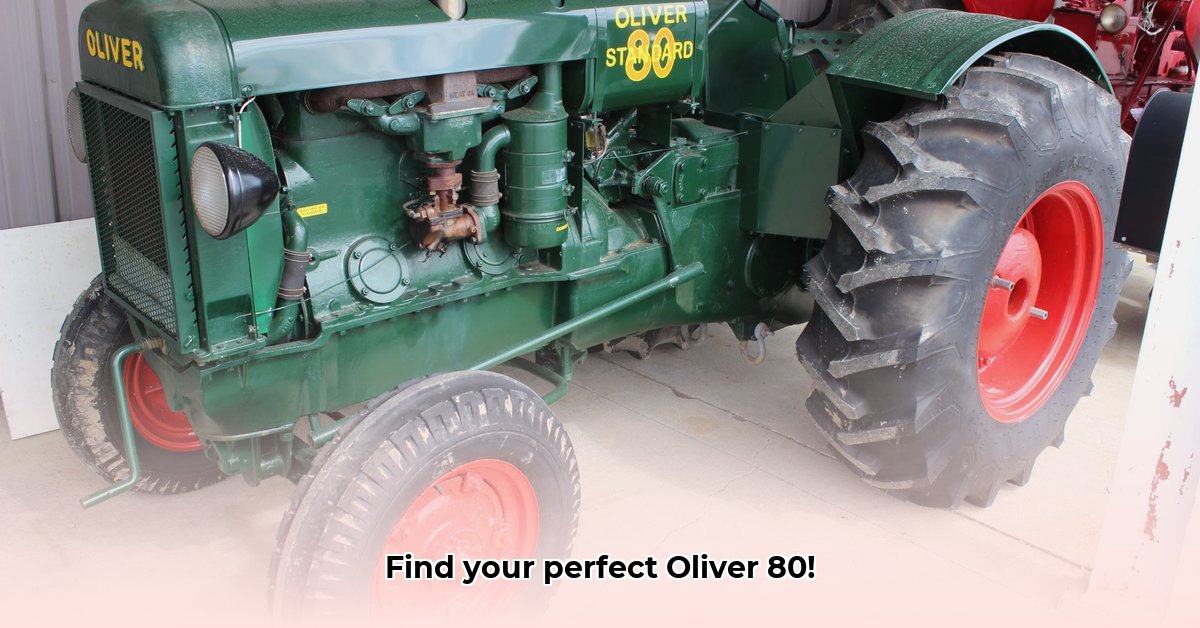
The Oliver 80 tractor, a classic workhorse of the mid-20th century, is experiencing a resurgence in popularity among farmers prioritizing sustainable practices. Its robust build and simple mechanics offer unique advantages, but are they enough to offset the challenges of maintaining and operating vintage machinery? This guide will help you decide if an Oliver 80 is the right fit for your sustainable farm. For more detailed specs, check out this Oliver 80 resource.
Understanding the Oliver 80: History and Design
The Oliver 80, a product of the Oliver Farm Equipment Company (produced roughly between 1937 and 1948), represents a bygone era of agricultural engineering. Its durable construction and straightforward design are testaments to simpler times. But how does its charm translate into modern, sustainable farming practices? Let's delve in. This sturdy tractor is a testament to a time when machinery was built to last, raising the question: Can this robust design contribute to long-term, sustainable farming practices?
Comparing the Oliver 80 to Modern Tractors: A Practical Analysis
| Feature | Oliver 80 | Modern Tractor |
|---|---|---|
| Purchase Price | Significantly lower initial investment. | Substantially higher initial cost. |
| Fuel Efficiency | Lower fuel efficiency per acre; potential for biofuels | Higher fuel efficiency, often with advanced systems. |
| Maintenance | Simpler mechanics, potentially easier DIY repairs. | More complex systems, often requiring specialized tools and technicians. |
| Environmental Impact | Higher emissions potential, but adaptable to biofuels. | Lower emissions, often meeting strict environmental standards. |
| Technology | Basic operation; minimal automation. | Advanced technology, GPS guidance, and automation features. |
Fueling Your Oliver 80: Sustainable Fuel Choices
While originally designed for gasoline or diesel fuel, the Oliver 80 offers potential for sustainable fuel alternatives. Biodiesel, a renewable fuel source, is a viable option for many vintage tractors. However, compatibility testing is crucial, as some biodiesel blends might damage engine seals or require modifications. "Using biodiesel in vintage equipment requires careful vetting to ensure compatibility, but the environmental benefits can justify the extra effort," notes Dr. Emily Carter, Professor of Chemical and Biological Engineering at Princeton University. The choice of fuel directly impacts both the operational costs and the environmental footprint of your farming operation.
Maintenance and Repair: A Hands-On Approach
Maintaining a vintage tractor like the Oliver 80 demands a hands-on approach. Its simplicity makes many repairs achievable with basic mechanical skills. However, sourcing parts can be a challenge, often requiring dedicated research within online communities and specialized vintage tractor parts suppliers. This can become a rewarding experience, fostering a deep connection with your machine and promoting a sustainable approach to equipment lifecycle management.
Integrating the Oliver 80 into Your Sustainable Farm
The Oliver 80's compact size makes it well-suited for smaller farms and market gardening. Its lower horsepower and simpler operation contribute to reduced fuel consumption compared to larger, modern tractors performing similar tasks on the same acreage. “While not replacing modern equipment entirely, vintage tractors like the Oliver 80 can play a valuable niche role within a diversified sustainable farm,” explains John Miller, a veteran organic farmer from Vermont. This localized, sustainable approach to farming operations can significantly lower the environmental impact of your food production.
Finding Your Oliver 80: A Step-by-Step Guide
- Assess Your Needs: Define your farming tasks and land size. A smaller tractor is suitable for smaller operations, but larger implements may require a different solution.
- Research and Sourcing: Explore online marketplaces and vintage tractor forums, such as Yesterday's Tractors, for Oliver 80s for sale.
- Thorough Inspection: Before purchase, have a qualified mechanic thoroughly inspect the tractor for wear, tear, and potential mechanical issues. This will save you costly repairs down the line.
- Negotiate the Price: Research comparable sales to negotiate a fair price, considering the tractor's condition and potential restoration needs.
- Documentation and Legal Compliance: Ensure legal documentation and compliance with any necessary regulations related to vintage machinery.
Key Advantages of An Oliver 80 for Sustainable Farming
- Reduced Environmental Impact: Smaller scale cultivation means less fuel consumption, lower emissions and potentially lower soil compaction.
- Lower Initial Cost: Significantly cheaper than new tractors, making it accessible for smaller operations.
- Durable Construction: Built to last, reducing the frequency of equipment replacement.
- Simplicity and Repair: Its straightforward design allows for easier troubleshooting and repairs with fewer specialized tools.
Challenges of an Oliver 80 for Sustainable Farming
- Parts Availability: Finding original parts is challenging; alternative sourcing and adaptation might be necessary.
- Fuel Efficiency: Fuel economy is lower than modern tractors; exploring alternative fuels requires research and potential engine modifications.
- Limited Technology: Lacks the advanced features and automation found in modern tractors.
By carefully weighing these advantages and challenges, you can determine if an Oliver 80 tractor is a suitable addition to your sustainable farming operation. Remember, thorough research and careful planning are key to making a successful investment.